8/12/2026
4-image carousel
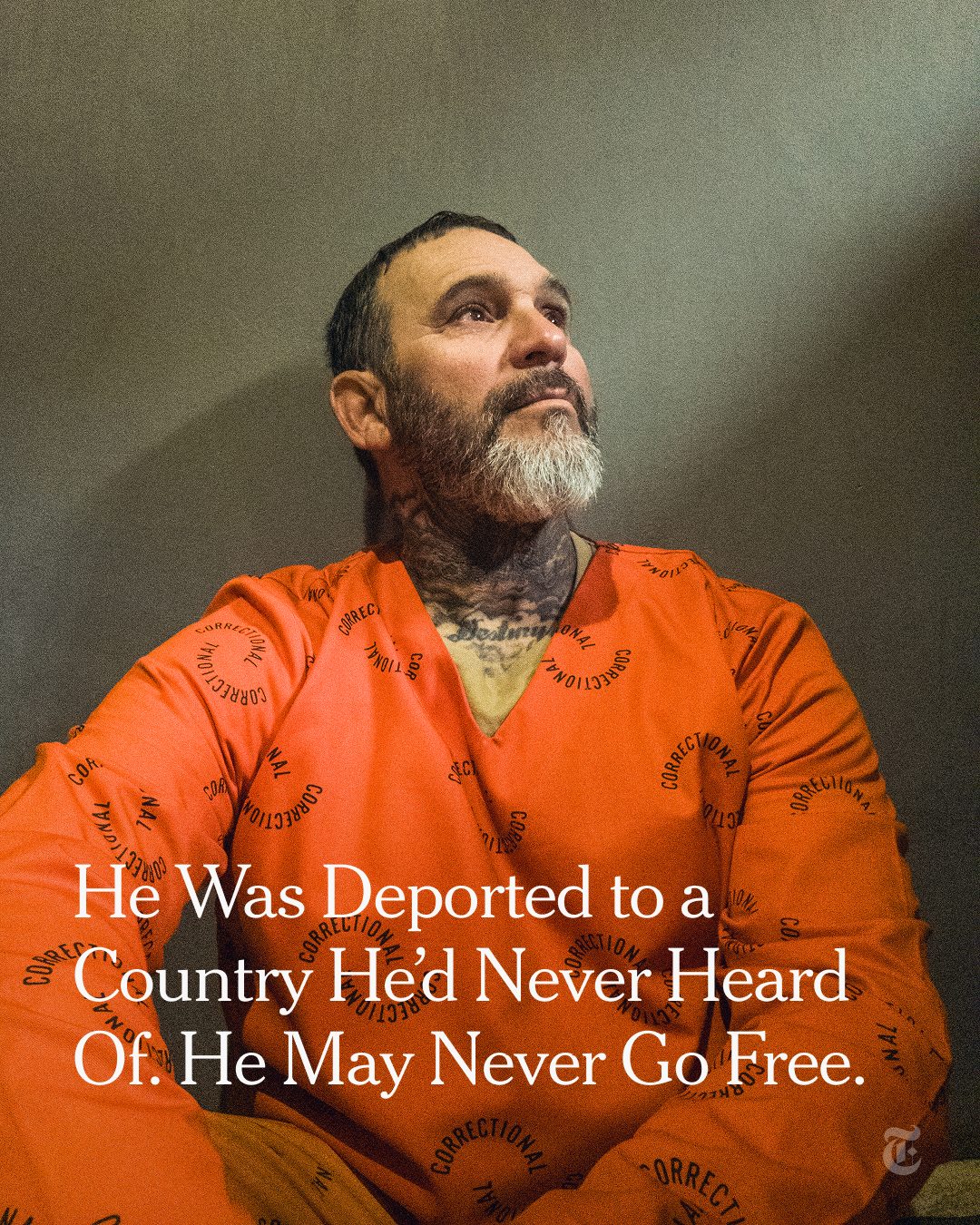
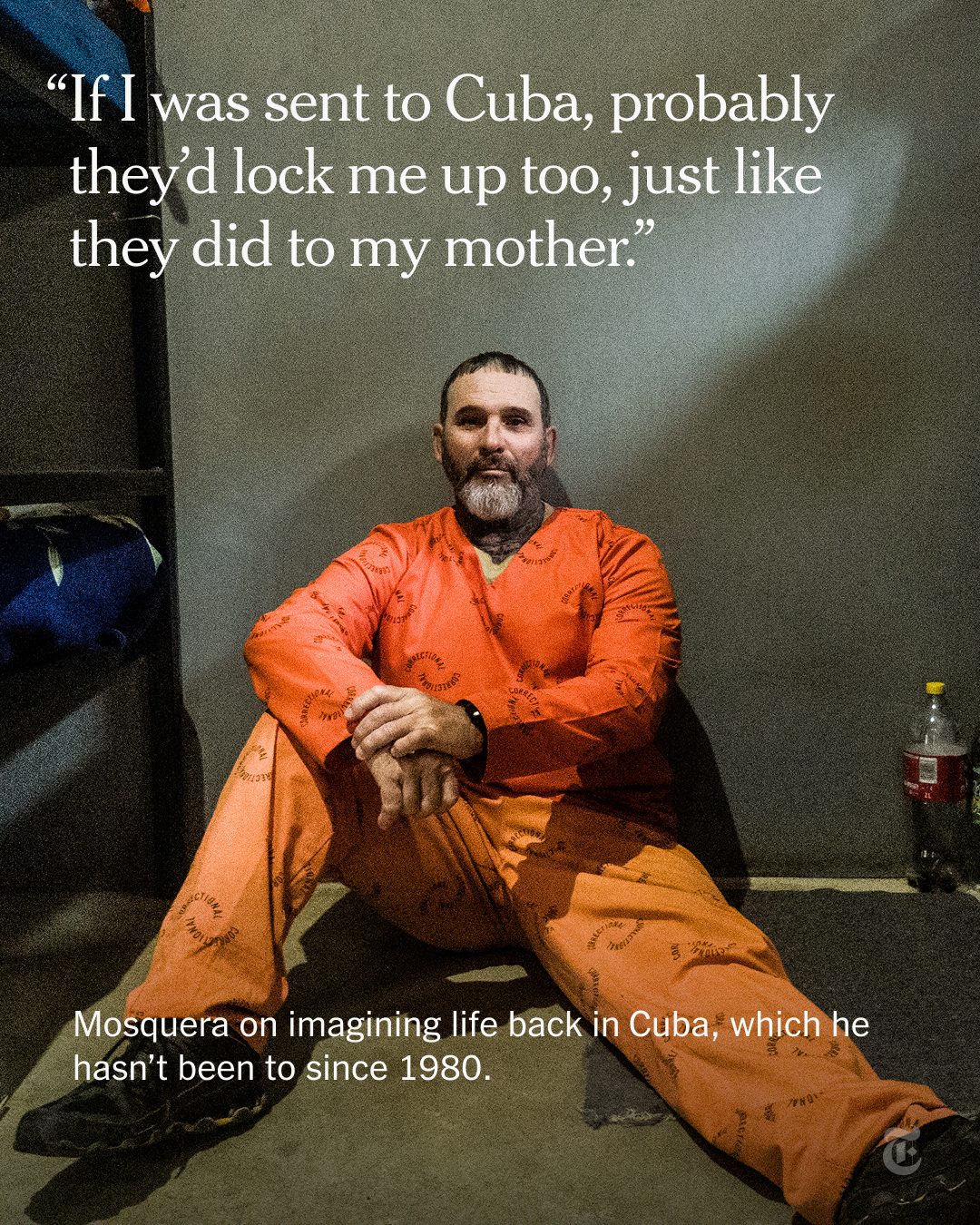
Roberto Mosquera had never heard of the kingdom of Eswatini, a tiny, landlocked country in southern Africa. He hadn’t set foot outside the United States since he was 12, when he arrived on a fishing boat as part of the 1980 Mariel boatlift from Cuba with his mother, a sister and her infant daughter.
As a teenager, he joined a Miami gang, and in his 20s, he took a plea deal after being charged with attempted murder for shooting a rival gangster in the leg. That would have been grounds to deport him had he been from almost any other country. But Cuba wasn’t cooperating with the United States on deportations, so Mosquera was allowed to stay, provided he checked in with the authorities each year. He built a new life for himself, becoming a specialty plumber and a born-again Christian; he married and had four daughters.
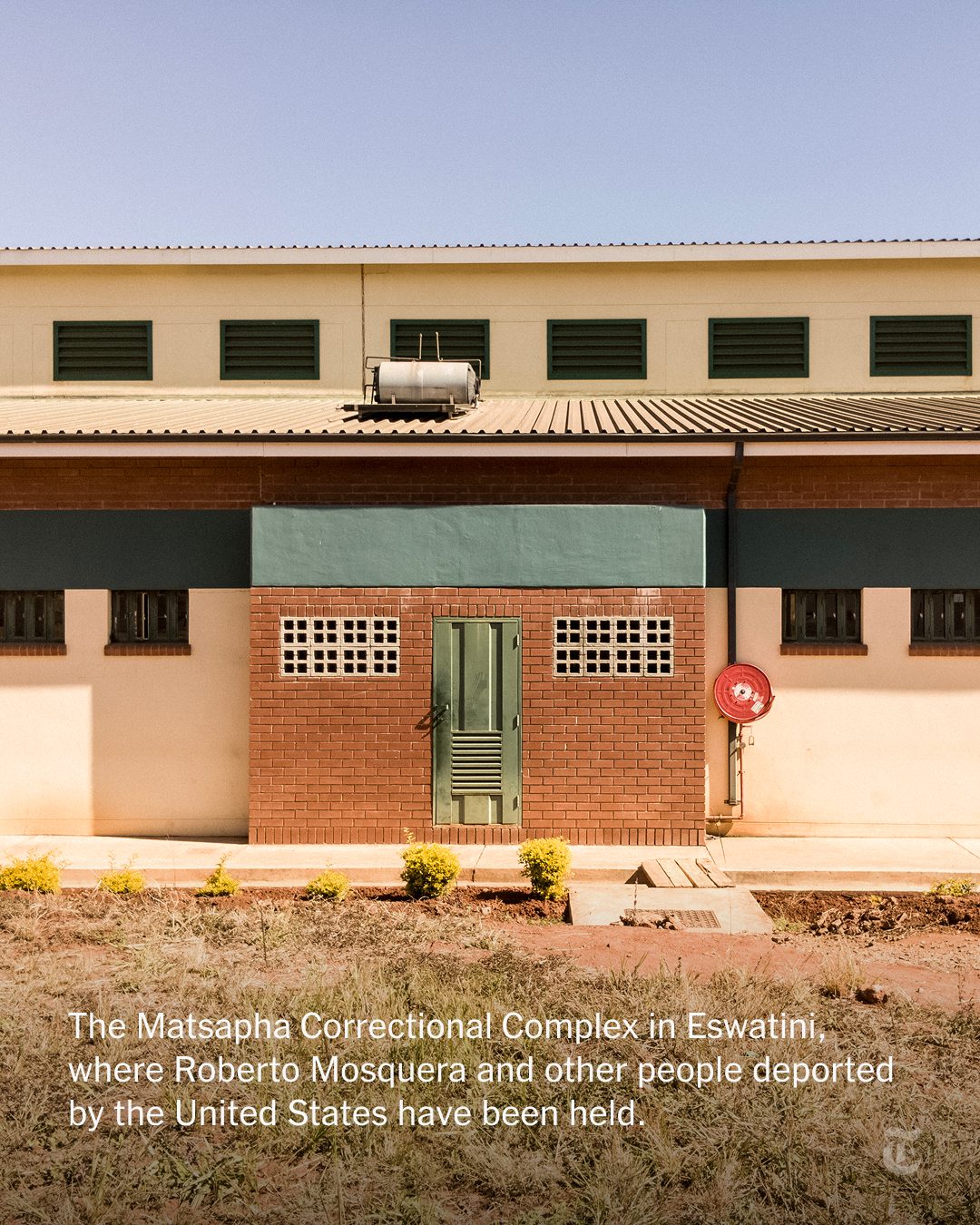
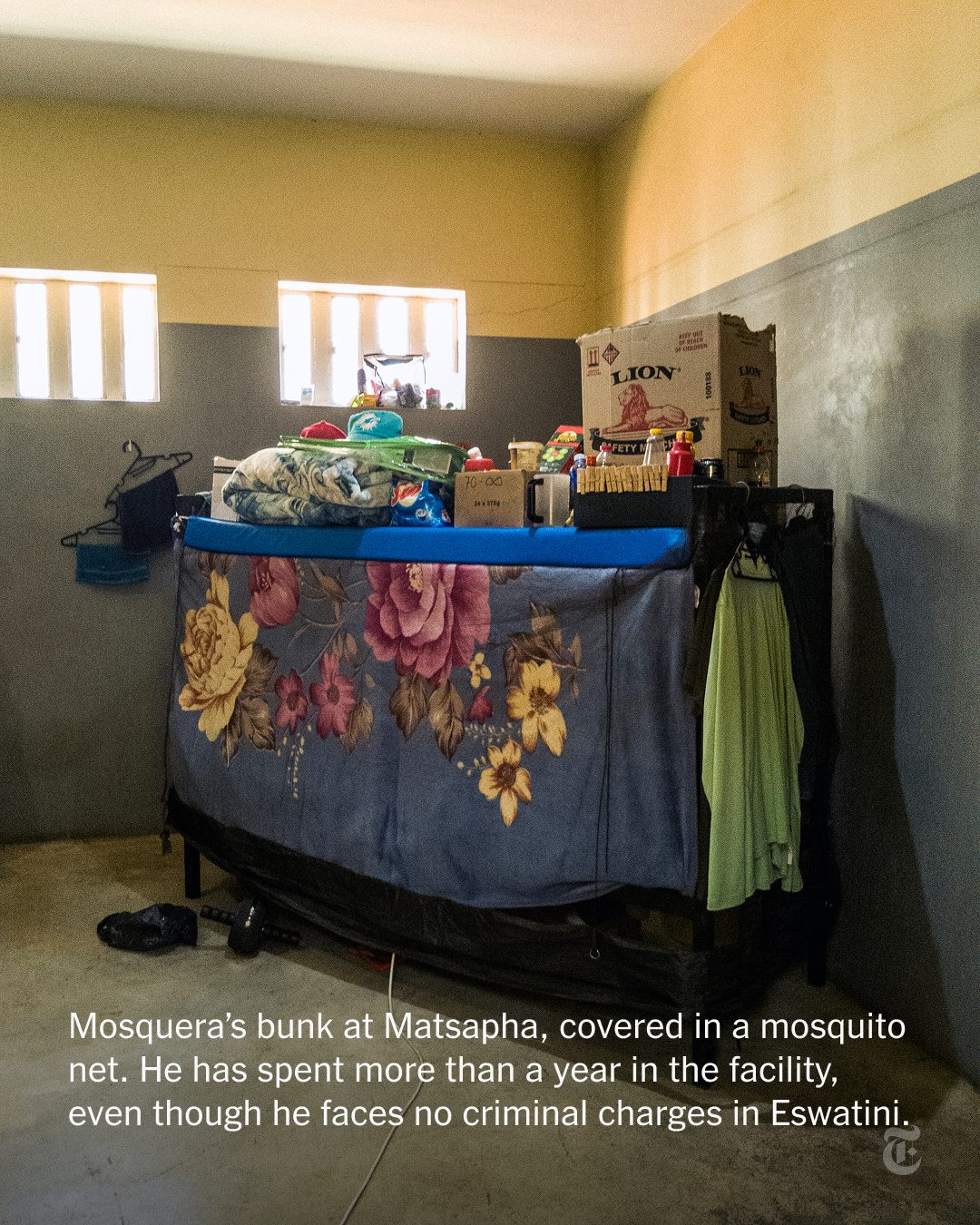
In June of last year, Mosquera went to renew his work permit at an immigration office, where an official told him that his time in America was up. But if the United States couldn’t send him to Cuba, where would he go? For more than a year, Mosquera has been sitting in Matsapha Correctional Complex, a maximum-security prison in Eswatini. There have been no charges against him; there is no way to appeal his predicament. There has been no sign that he will ever be freed.
Read the story at the link in bio. Photos by @moisessaman, who photographed Robert Mosquera and other detainees through an in-camera app installed on both his and Mosquera’s phones. Times journalists could not gain entry to the Matsapha maximum-security prison.