8/10/2026
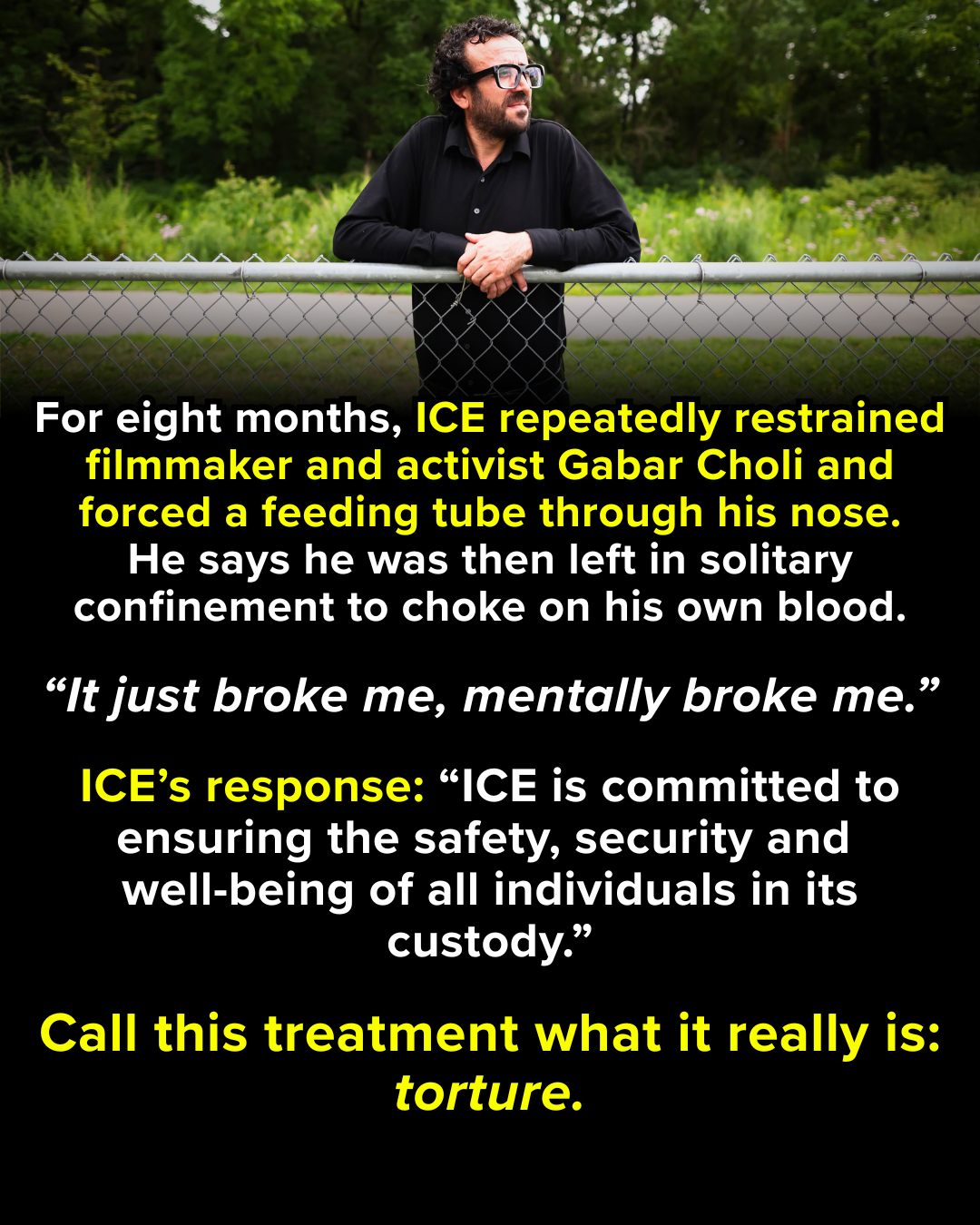
feminist_news_now The International Committee of the Red Cross considers the forced feeding of mentally competent hunger strikers a form of ill-treatment. The UN Committee Against Torture says the practice may amount to torture. The World Medical Association calls it inhuman, degrading, and ethically unacceptable. These standards recognize a fundamental principle: A competent person retains bodily autonomy while imprisoned or detained. A government agency cannot transform coercion into healthcare by obtaining a judge’s signature and assigning medical personnel to carry it out. Gabar Choli began his hunger strike to protest conditions inside immigration detention and press for a resolution to his asylum case. Court records show that federal officials obtained authorization for a sweeping range of involuntary procedures, including intravenous hydration, blood draws, urine collection through forced catheterization, restraints, and nutrition administered through a nasogastric tube. The judge overseeing Choli’s case repeatedly extended that authority. He also denied Choli’s request for legal assistance, leaving him to endure an eight-month legal and medical ordeal without an attorney. His case belongs to a larger and deeply disturbing pattern. According to Department of Homeland Security sources cited by the Guardian, ICE obtained court orders authorizing involuntary medical treatment for 18 hunger strikers between January 2025 and August 4, 2026. Some people submitted to the procedures. Others began eating when confronted with the imminent prospect of forced intervention. Hunger strikes are courageous acts of last resort, used by people who believe every conventional avenue for protest has been closed. Choli survived and now lives in Canada. His testimony gives the public a rare view inside a detention system built around secrecy, euphemism, and overwhelming institutional power. #CourageNetwork View all 364 comments