4/4/2026
7-image carousel
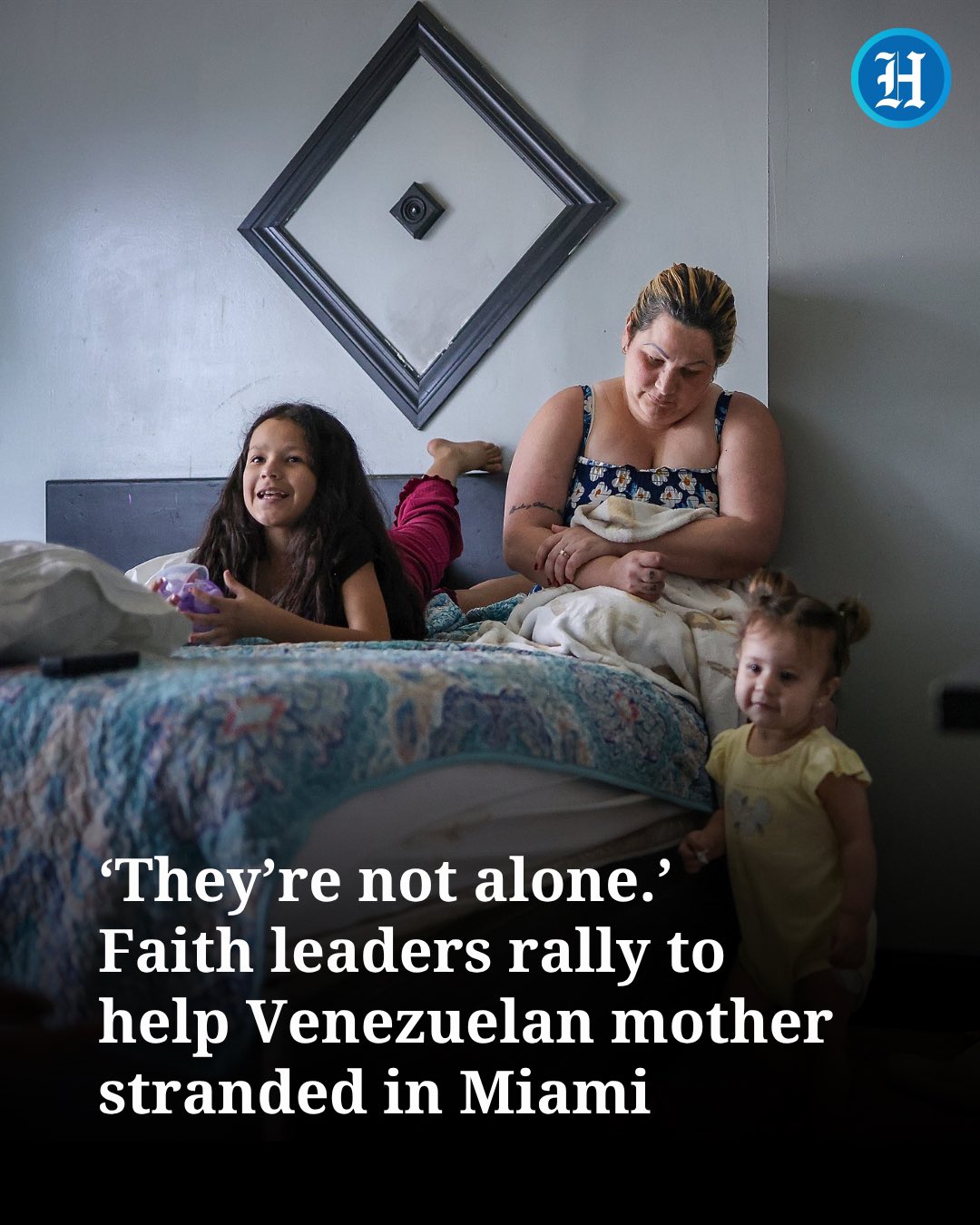
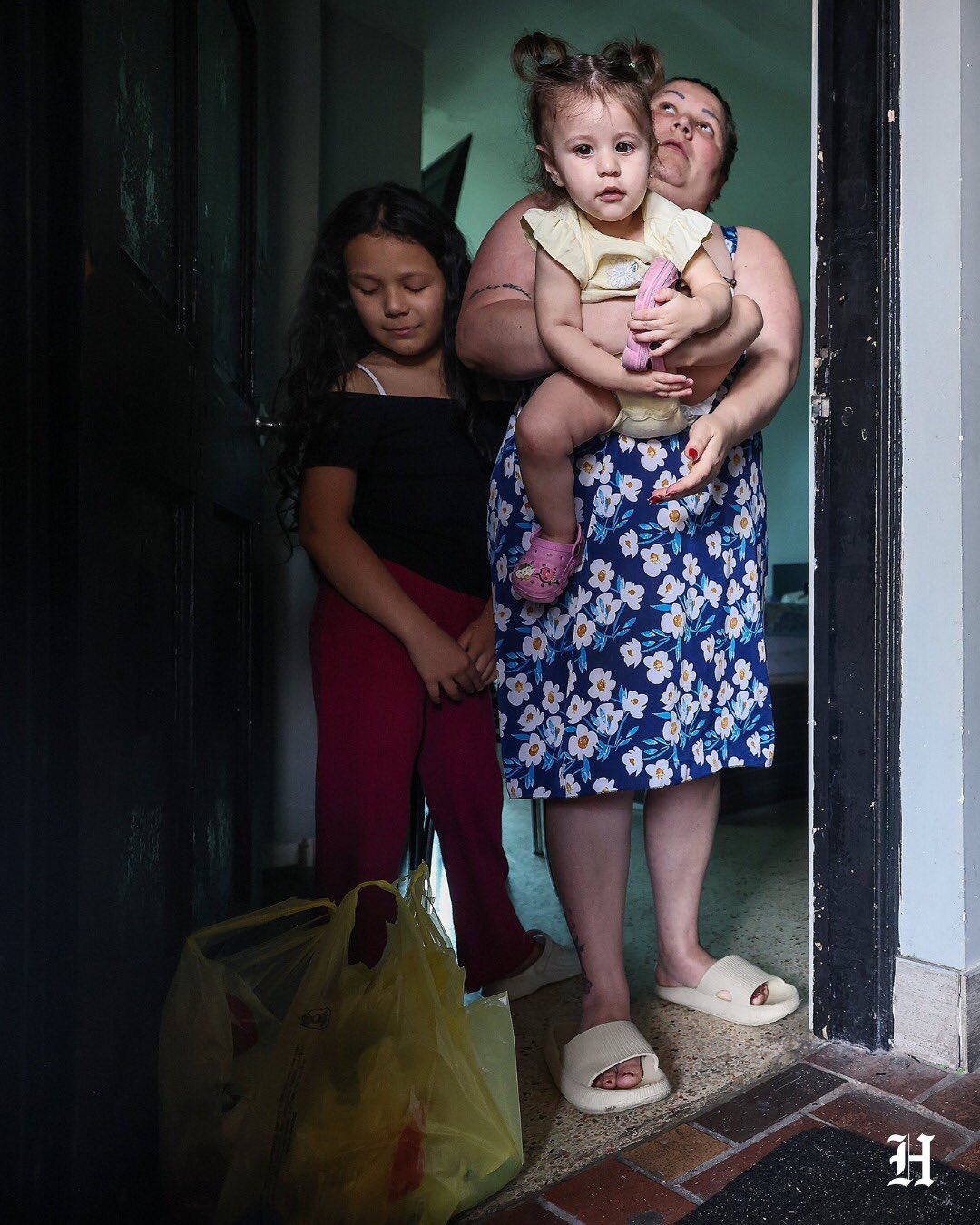
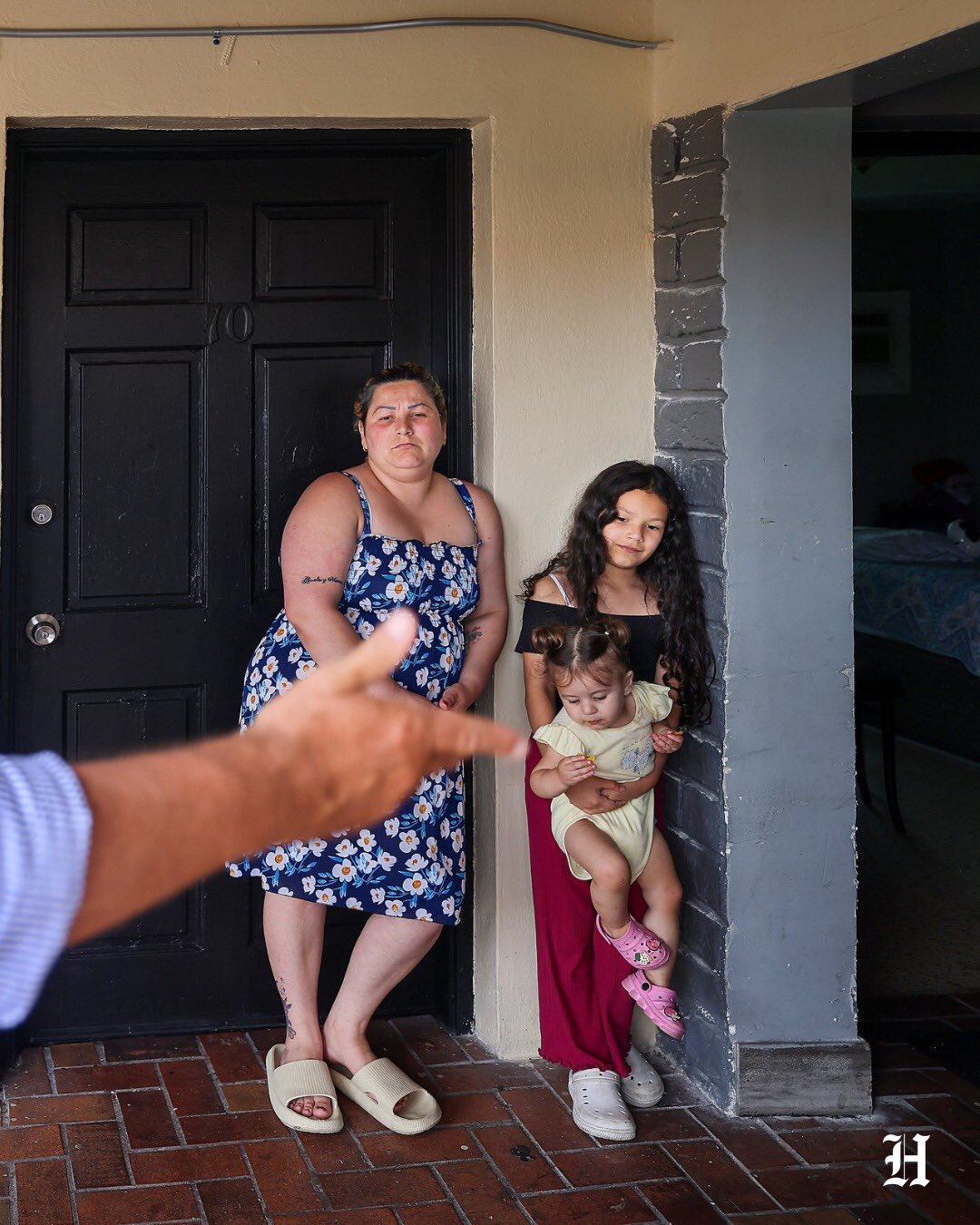
When Yelitza Perez arrived at the Miami International Airport earlier this month she thought she had done everything right.
The 29-year-old mother of two was trying to return to Venezuela from St. Louis, Missouri, with her children after her husband was deported, but was blocked from boarding her flight after the airline couldn’t verify her travel documentation, she said. Perez had obtained a salvoconducto or “safe pass” which authorizes one-time travel to the country for those without a passport. She ended up stranded at the airport for three days with little money and nowhere to go.
The Perez family came to the U.S. nearly five years ago seeking asylum and had started building new lives while seeking a pathway to legal citizenship. After seeing the aggressive crackdown on immigrants, Perez said she was planning on leaving voluntarily even before her husband got deported.
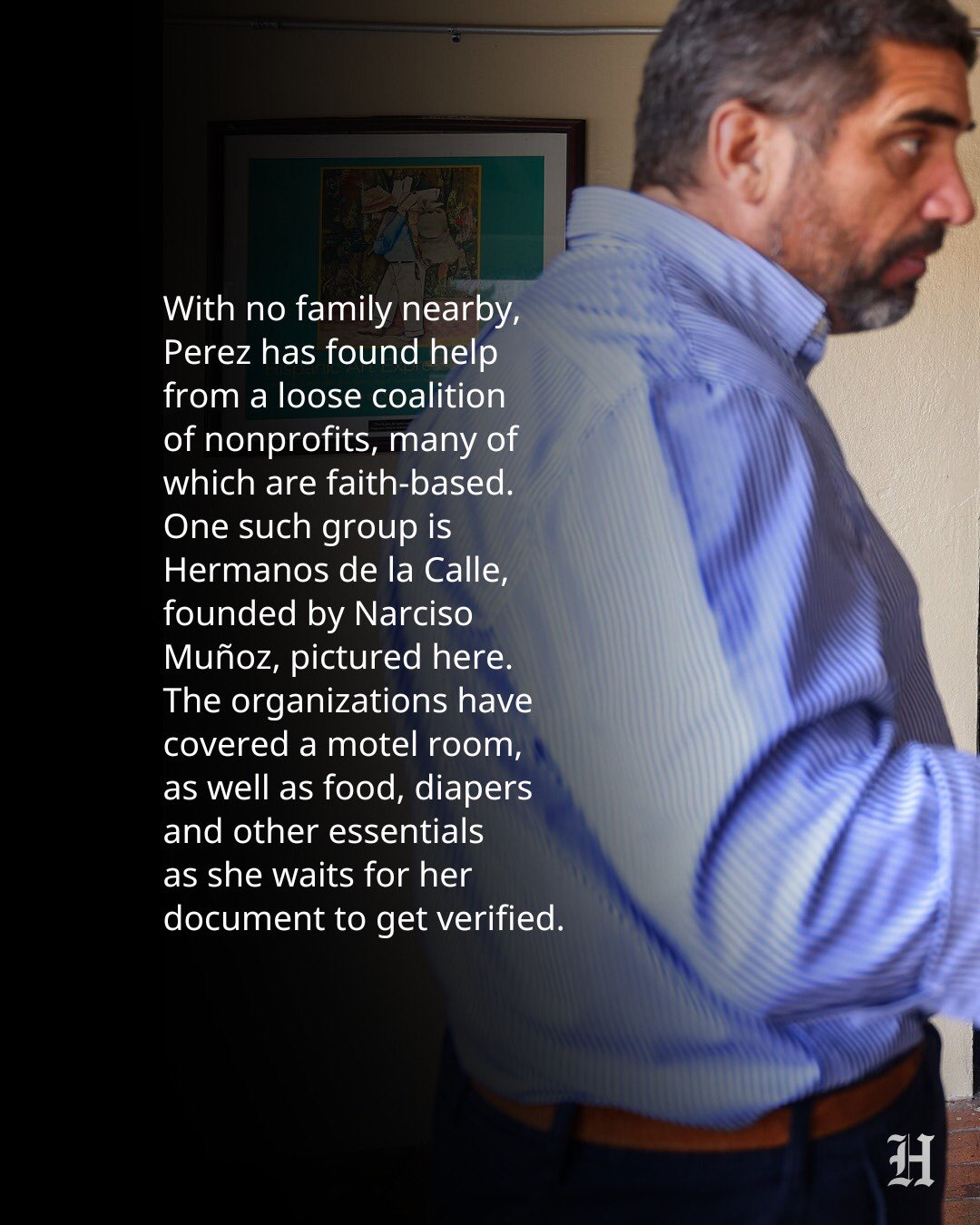
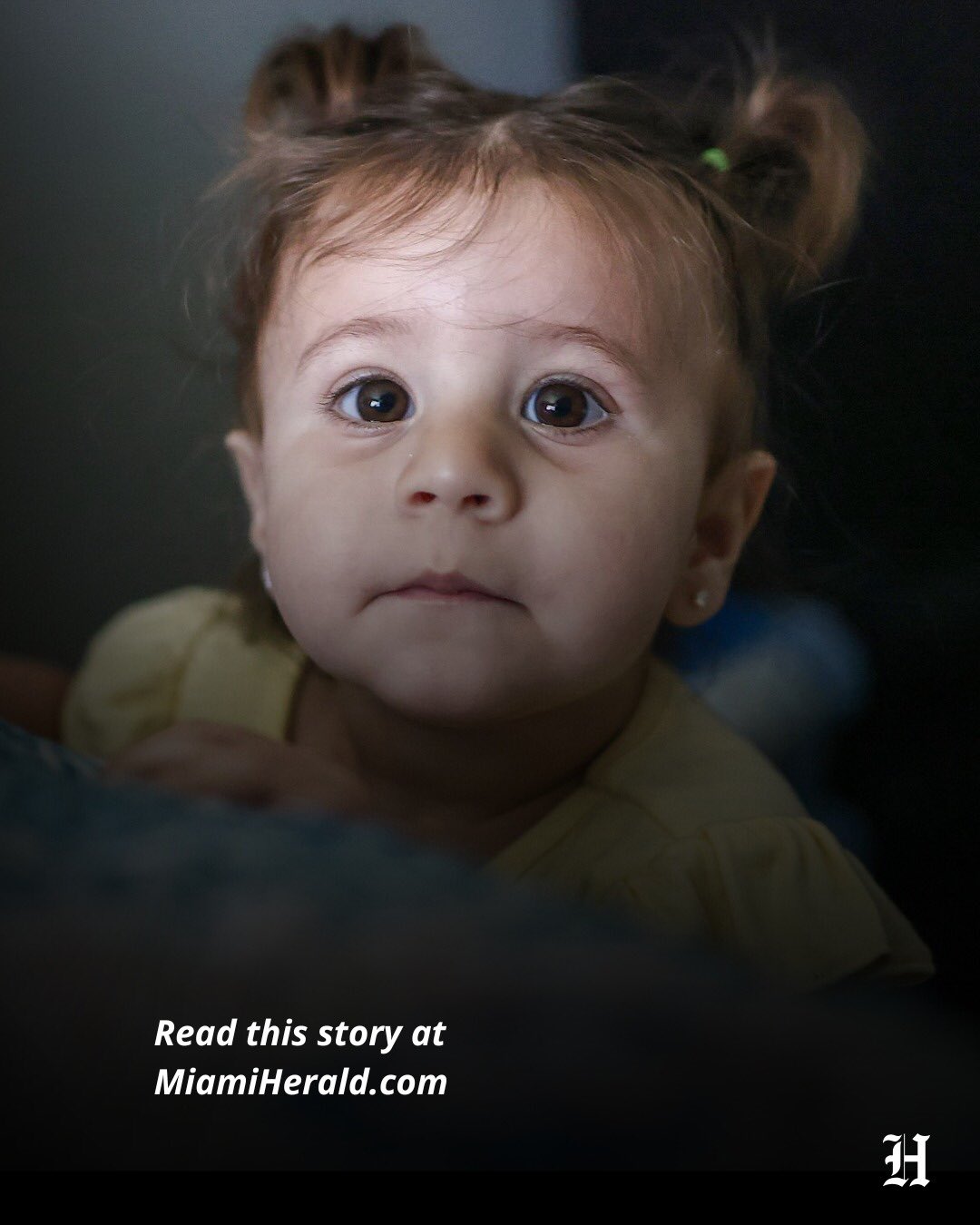
Perez and her two young daughters — Paola, 9, and Itchel, 1, — are now left in a vulnerable state, stuck in limbo as they try to navigate how to get back home. With no family nearby, Perez and her kids found assistance from a loose coalition of nonprofits, many of which are faith-based, that have helped cover a motel room near the airport, as well as food, diapers and other essentials for over three weeks as she waits for her document to get verified.
Perez’s situation highlights a growing, largely informal safety net of faith-based organizations that’s emerging across the country to support immigrants as the Trump administration enacted far-reaching immigration reform and deportation enforcement. And in South Florida groups have stepped in to support migrants navigating complicated immigration processes, from deportation to self-deportation, often filling gaps left by government systems.
🔗: Read more at the link in our bio
✍️: Lauren Costantino
📷: @cpj_is_here