4/8/2026
7-image carousel
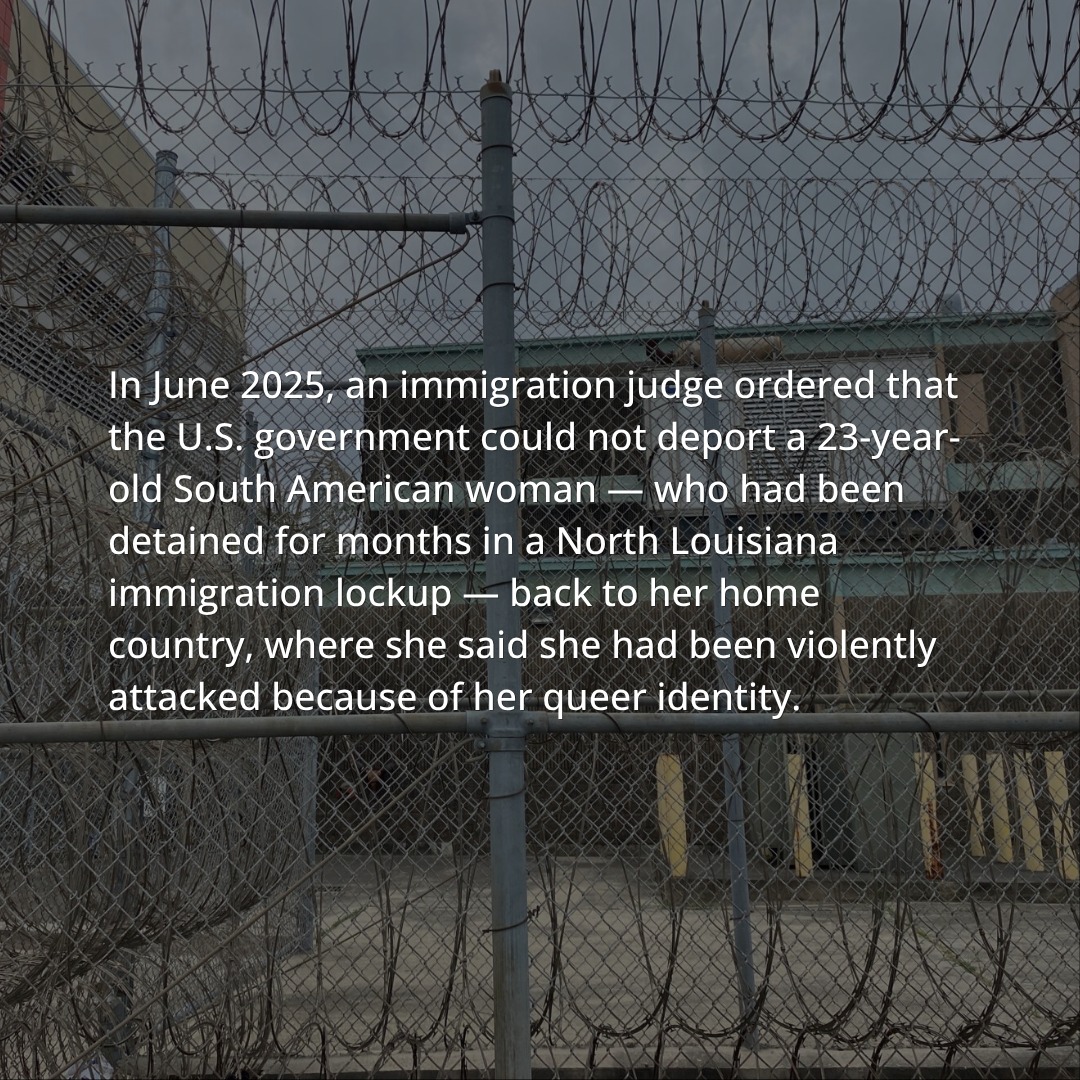


In June 2025, an immigration judge ordered that the U.S. government could not deport a 23-year-old South American woman — who had been detained for months in a North Louisiana immigration lockup — back to her home country, where she said she had been violently attacked because of her queer identity.
The woman has received protection from removal to her country of origin under the United Nations Convention Against Torture, an international human rights treaty that prohibits parties to the convention, including the United States, from sending people back to countries where they could be in danger of being subjected to torture.
But the Trump administration has attempted to get around such withholding orders by finding third countries to accept immigrants it seeks to deport.
According to immigration and civil rights attorneys interviewed by Verite News, this practice often results in immigrants facing lengthy detentions and expensive legal battles while the government tries to identify a willing third-party country.
Story by Robert Stewart and Bobbi-Jeanne Misick