2/20/2026
10-image carousel
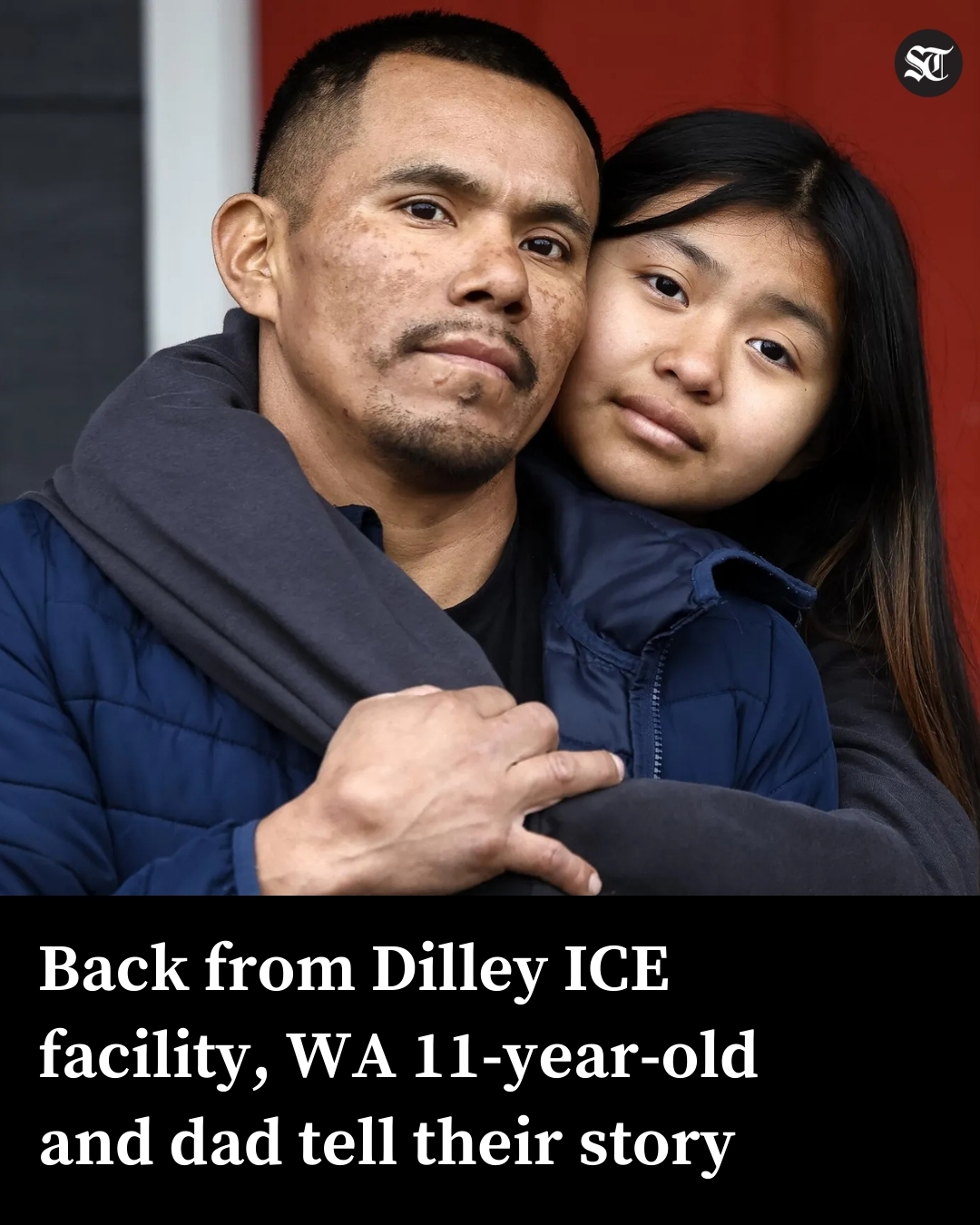
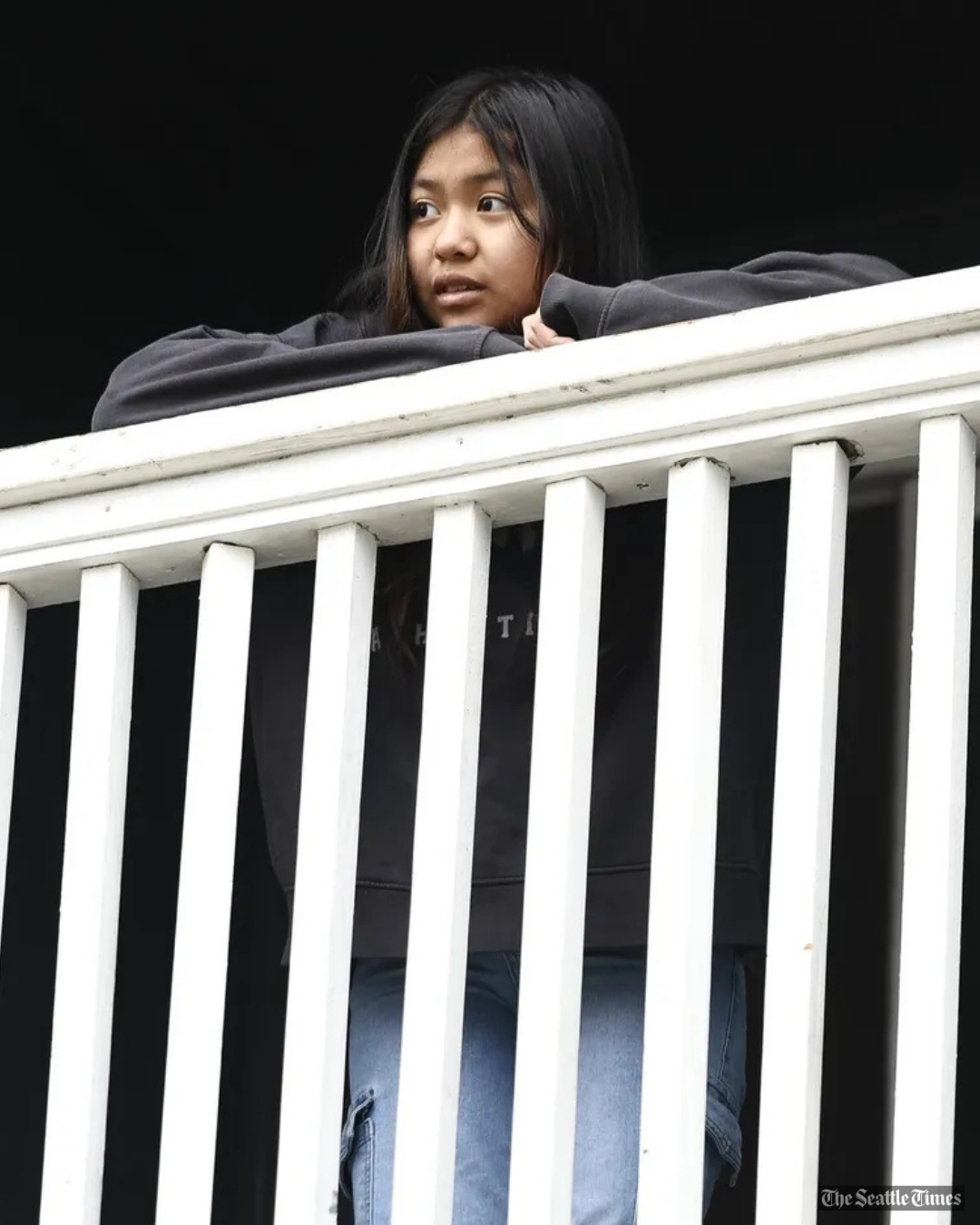
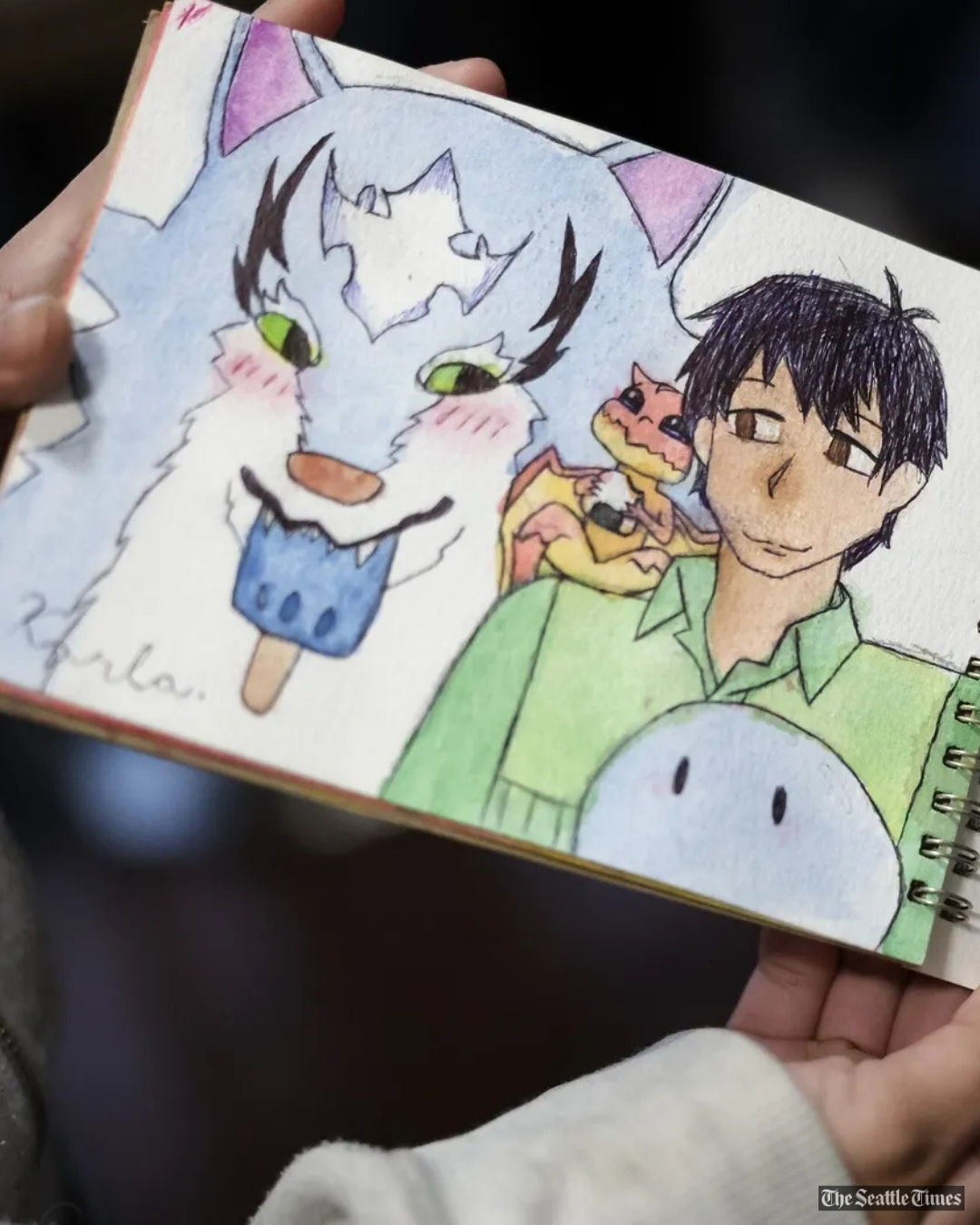
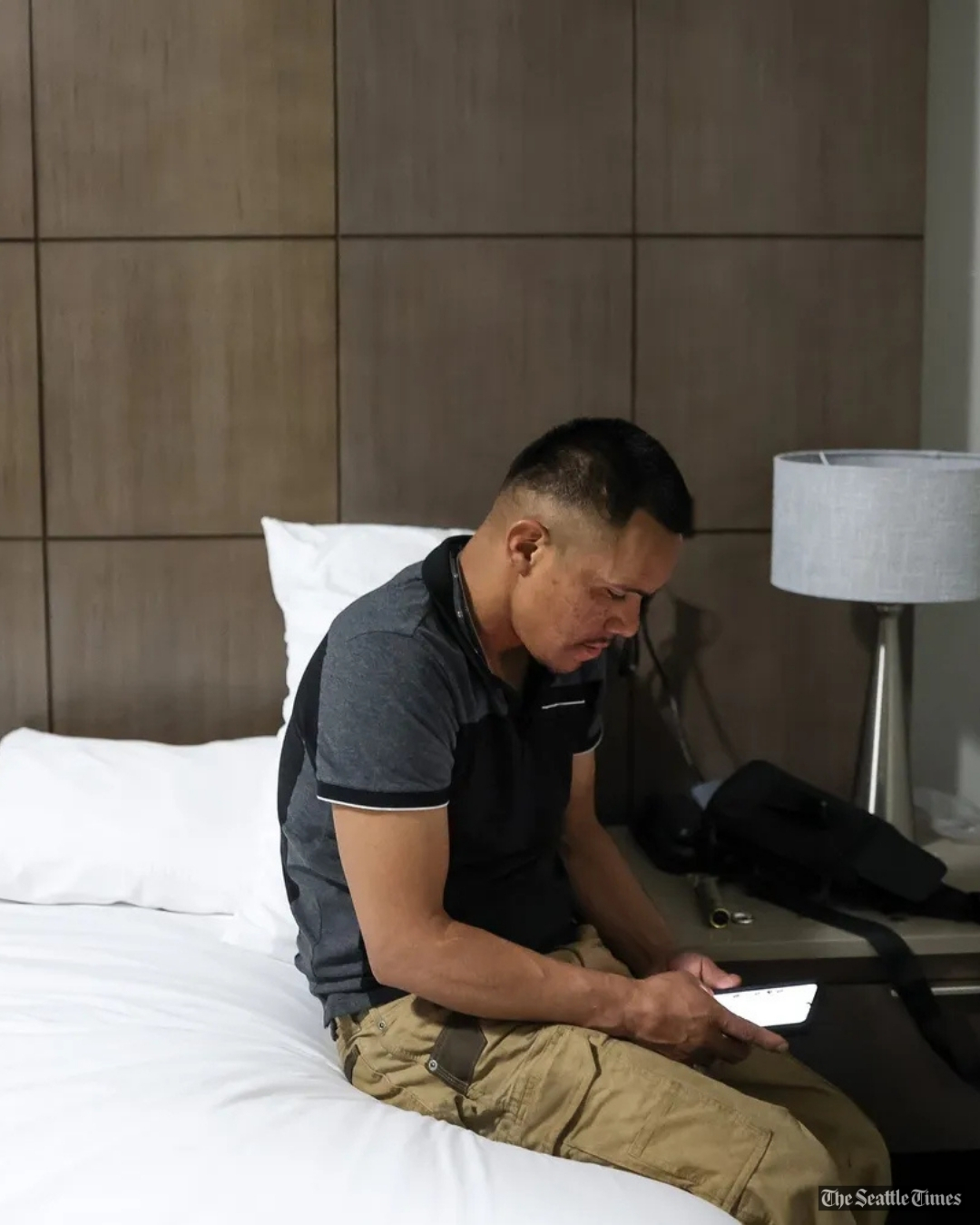
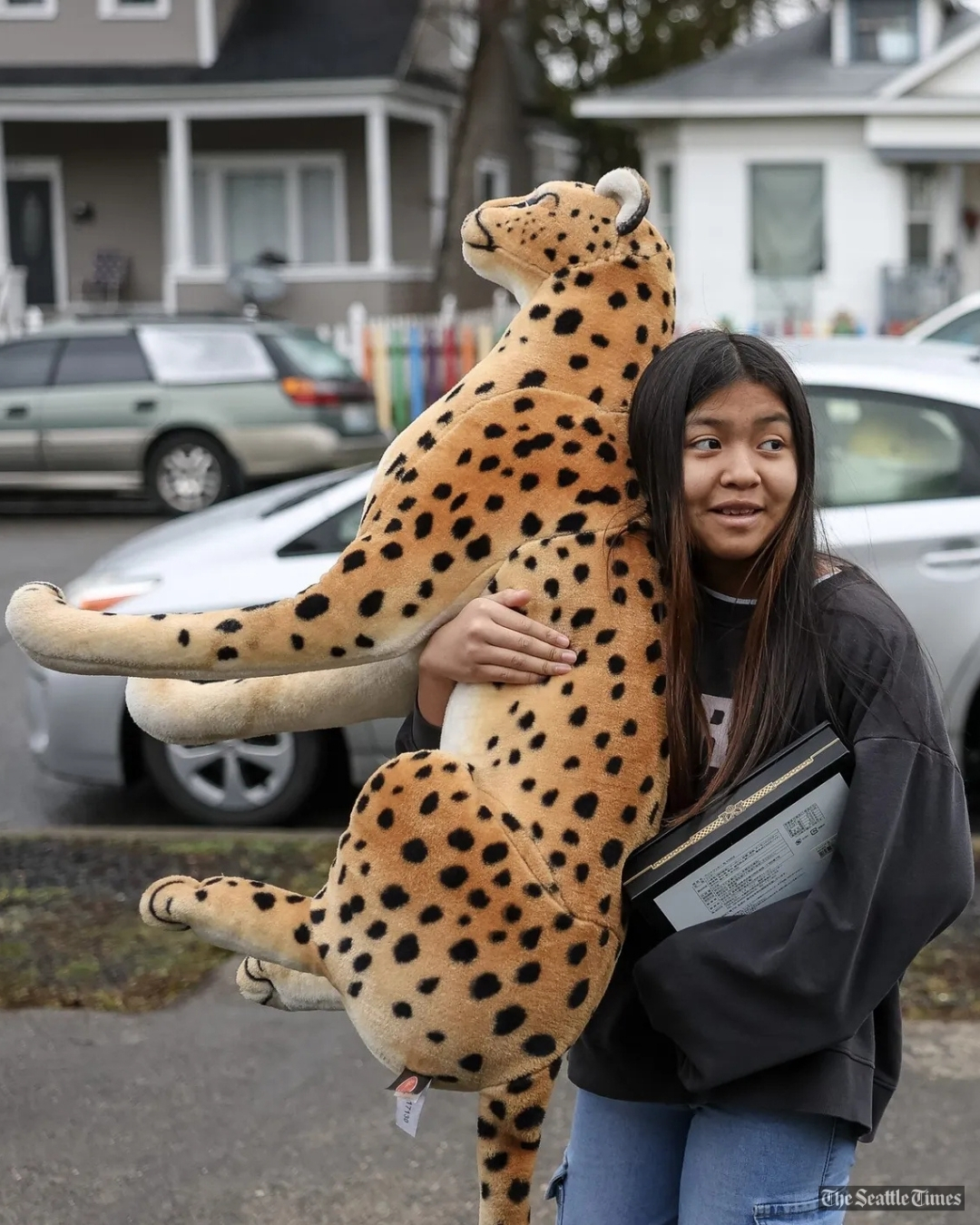
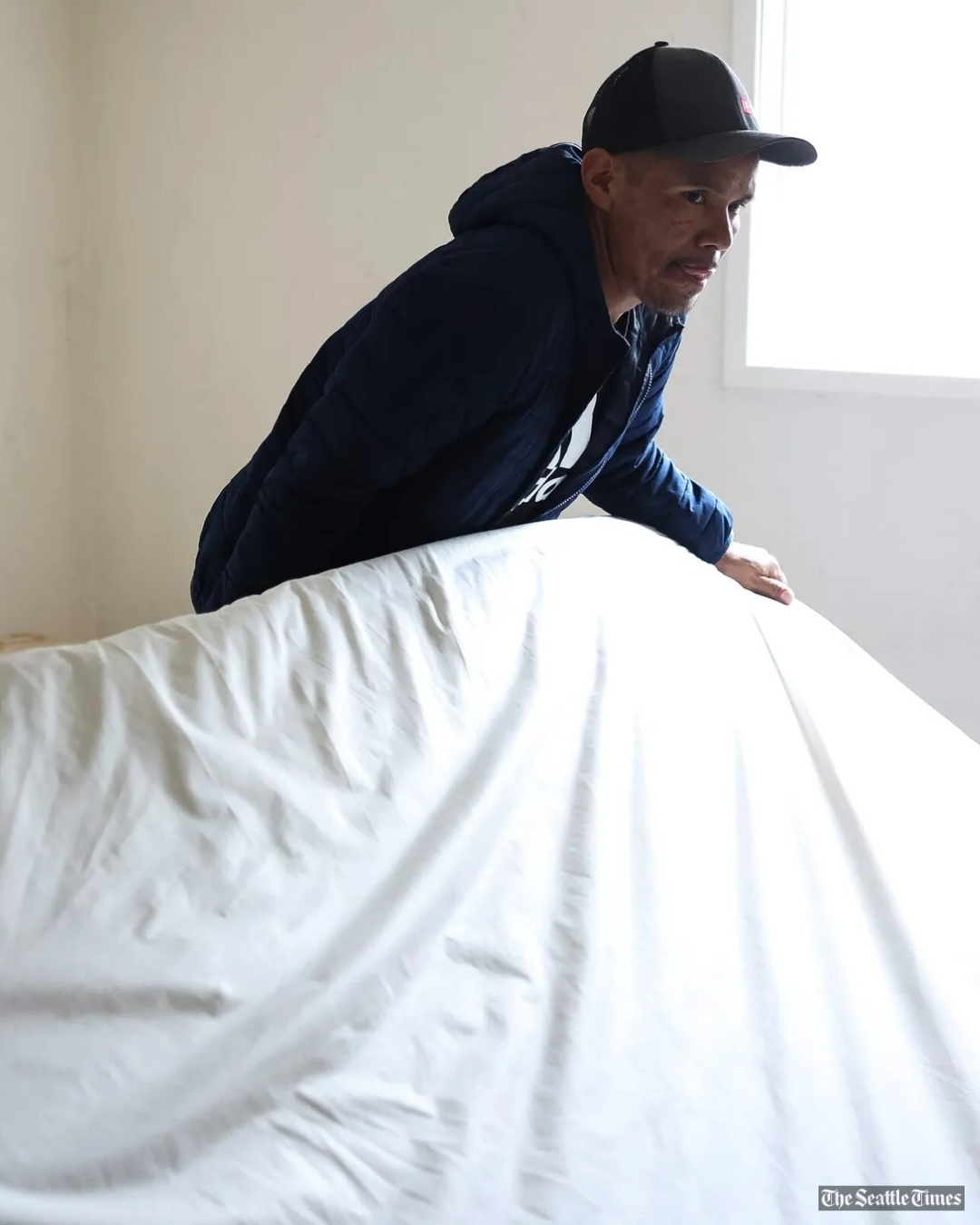
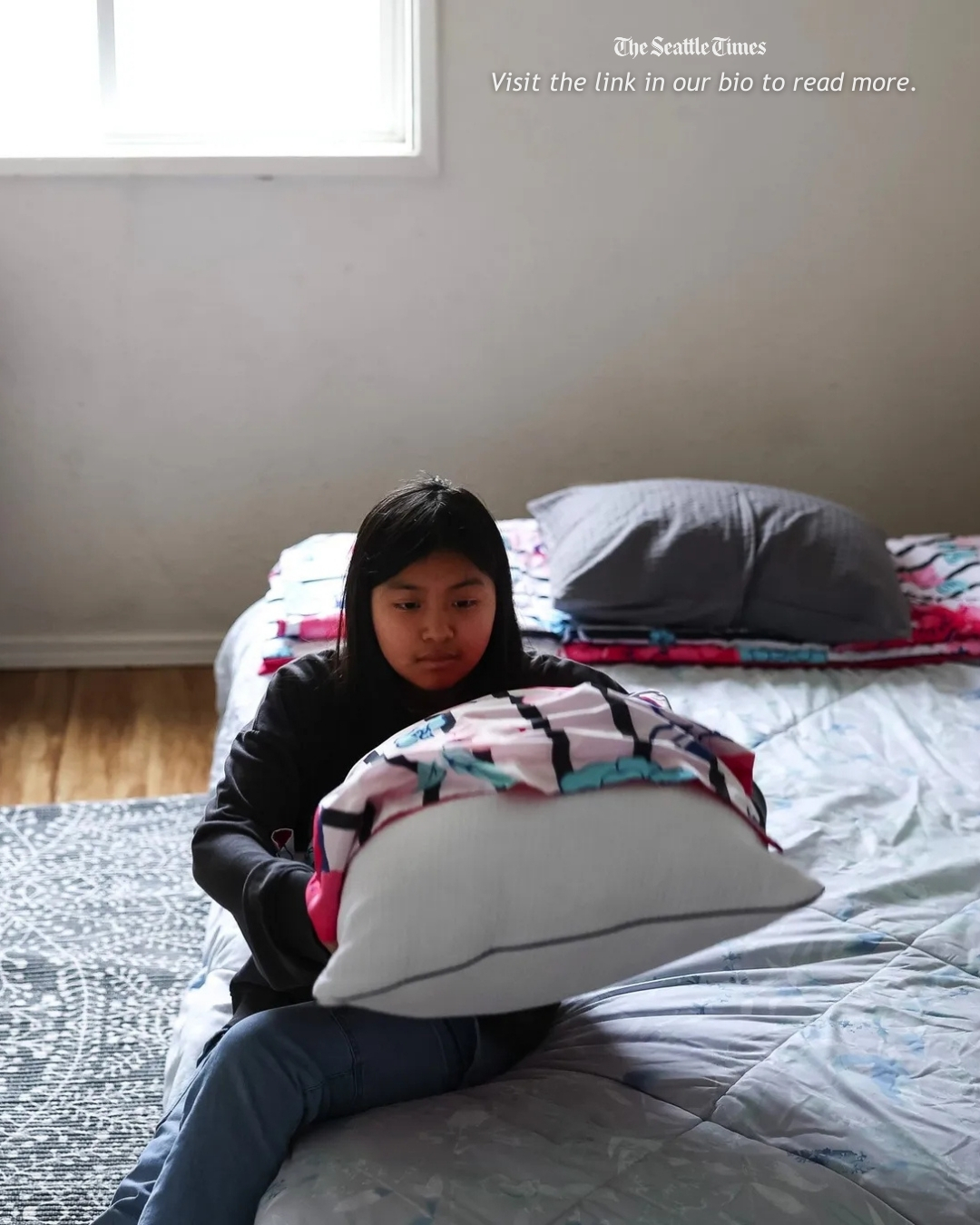
It seemed at first like a normal day.
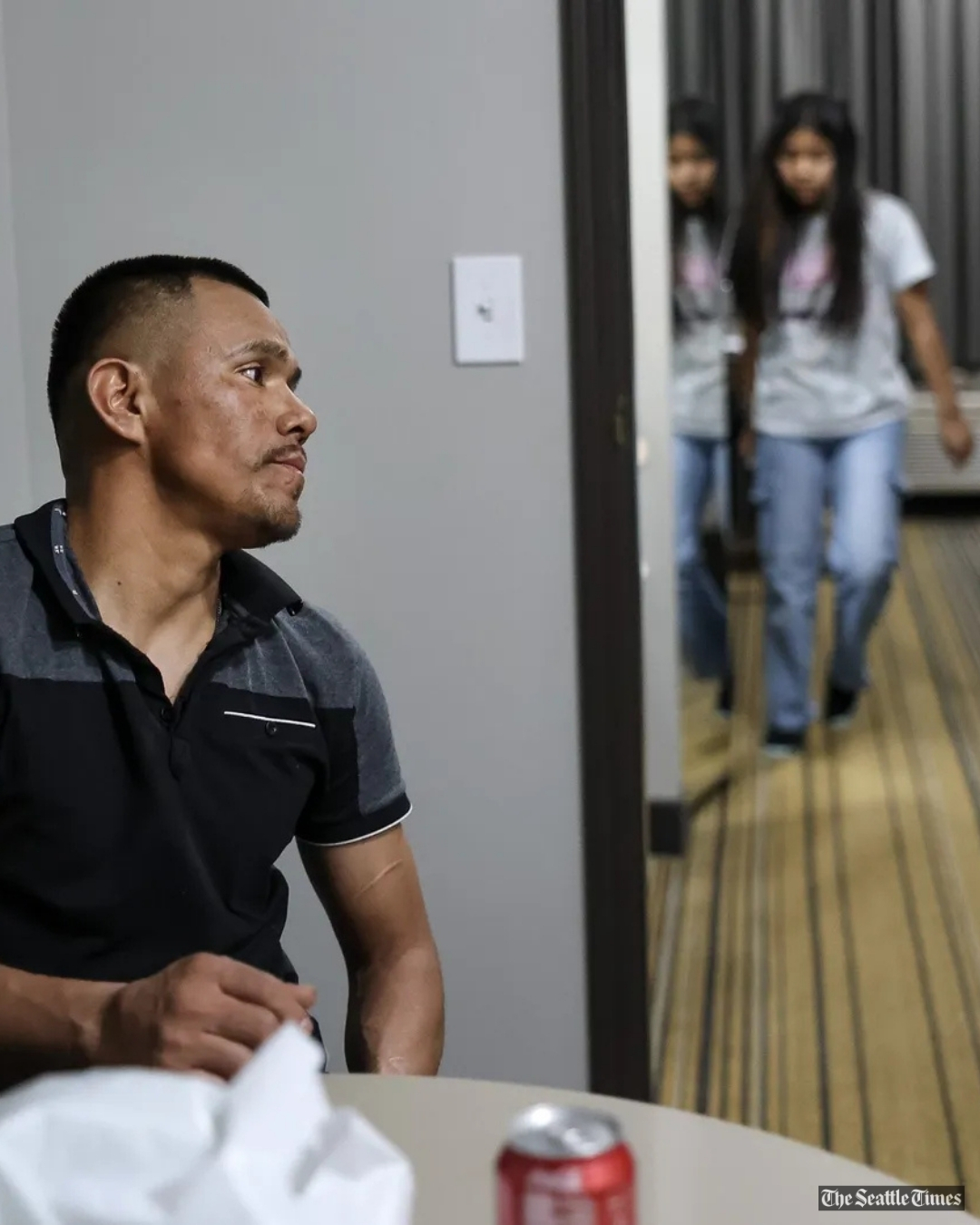
Karla Tiul Baltazar, a Spokane 11-year-old who likes to draw and play volleyball, got dropped off Jan. 9 at her elementary school by her dad, Arnoldo Tiul Caal. He wasn’t there to pick her up after school, like he said he would, but it happened sometimes. Her dad worked as a roofer and jobs came up.
She walked 15 minutes to her home, a duplex on a quiet street. Arnoldo was there and told her what had happened.
“Immigration got him,” Karla recalled. Then came the second part of her dad’s news: They would get her, too.
The fifth-grader needed to pack a suitcase and go with her dad to U.S. Border Patrol’s Spokane headquarters. Once there, she and her dad were fingerprinted. From there, the Guatemalan asylum-seekers would be taken to the Dilley Immigration Processing Center, a family detention center in the Texas desert about 70 miles south of San Antonio.
In Washington state, ICE took into custody roughly 90 kids between the start of Trump’s second term and mid-October, according to a Seattle Times analysis of ICE figures released to the Deportation Data Project through Freedom of Information Act requests.
(✍️ Nina Shapiro / The Seattle Times | 📷 @wagsphoto / The Seattle Times)